Assessment

Cheat Sheet

By Amanda Jones — April 20, 2007 1 min read
  • Save to favorites
  • Print

Forget writing on hands or whispering answers. Many students have traded the cheating techniques of yesteryear for more sophisticated methods.

Below are a few of the more innovative ways students have tried to gain an unfair advantage. You have to wonder what these students would accomplish if they were to apply such creativity and determination to a more constructive endeavor—like studying.
BRIC ARCHIVE

Water bottles: Students write answers on the inside of a bottle’s label, then reattach it, so the writing is visible through the water during the test.

Cell phones: In addition to text-messaging answers to one another, students take pictures of the test, then beam the images to friends. Others photograph their notes ahead of time.

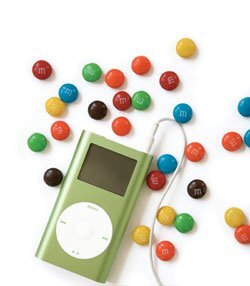
M&M’s: After assigning each candy color a multiple-choice letter, students line up M&M’s on their desks in the order of the answers.

MP3 players: Before the test, students record answers and then listen to them through earphones during exams.

Invisible-ink pens: Kids write notes or formulas on a sheet of paper in invisible ink, then use the pen’s ultraviolet flashlight during the test to reveal what they’ve written.

Personal digital assistants: Students send information to one another through their PDAs and use the devices to store formulas and notes.

Related Tags:

A version of this article appeared in the May 01, 2007 edition of Teacher Magazine

Events

School & District Management Webinar Squeeze More Learning Time Out of the School Day
Learn how to increase learning time for your students by identifying and minimizing classroom disruptions.
This content is provided by our sponsor. It is not written by and does not necessarily reflect the views of Education Week's editorial staff.
Sponsor
Reading & Literacy Webinar
Improve Reading Comprehension: Three Tools for Working Memory Challenges
Discover three working memory workarounds to help your students improve reading comprehension and empower them on their reading journey.
Content provided by Solution Tree
Recruitment & Retention Webinar EdRecruiter 2026 Survey Results: How School Districts are Finding and Keeping Talent
Discover the latest K-12 hiring trends from EdWeek’s nationwide survey of job seekers and district HR professionals.

EdWeek Top School Jobs

Teacher Jobs
Search over ten thousand teaching jobs nationwide — elementary, middle, high school and more.
View Jobs
Principal Jobs
Find hundreds of jobs for principals, assistant principals, and other school leadership roles.
View Jobs
Administrator Jobs
Over a thousand district-level jobs: superintendents, directors, more.
View Jobs
Support Staff Jobs
Search thousands of jobs, from paraprofessionals to counselors and more.
View Jobs

Read Next

Assessment Should Students Be Allowed Extra Credit? Teachers Are Divided
Many argue that extra credit doesn't increase student knowledge, making it a part of a larger conversation on grading and assessment.
1 min read
A teacher leads students in a discussion about hyperbole and symbolism in a high school English class.
A teacher meets with students in a high school English class. Whether teachers should provide extra credit assignments remains a divisive topic as schools figure out the best way to assess student knowledge.
Allison Shelley for All4Ed
Assessment Opinion We Urgently Need Grading Reform. These 3 Things Stand in the Way
Here’s what fuels the pushback against standards-based grading—and how to overcome it.
Joe Feldman
5 min read
A hand tips the scales. Concept of equitable grading.
DigitalVision Vectors + Education Week
Assessment Opinion Principals Often Misuse Student Achievement Data. Here’s How to Get It Right
Eight recommendations for digging into standardized-test data responsibly.
David E. DeMatthews & Lebon "Trey" D. James III
4 min read
A principal looks through a telescope as he plans for the future school year based on test scores.
Vanessa Solis/Education Week via Canva
Assessment Explainer What Is the Classic Learning Test, and Why Is It Popular With Conservatives?
A relative newcomer has started to gain traction in the college-entrance-exam landscape—especially in red states.
9 min read
Students Taking Exam in Classroom Setting. Students are seated in a classroom, writing answers during an exam, highlighting focus and academic testing.
iStock/Getty
