Federal efforts that have successfully driven down rates of youth vaping in recent years may be in peril after dramatic staffing cuts at the U.S. Department of Health and Human Services.
HHS leadership placed Brian King, the director of the Food and Drug Administration’s Center for Tobacco Products, on leave April 1 and cut dozens of employees from the center, which regulates nicotine products and enforces regulations related to warning labels and marketing restrictions.
The Centers for Disease Control and Prevention’s Office of Smoking and Health, which leads public health campaigns and identifies best practices to prevent smoking and vaping, “may have been eliminated entirely,” Yolonda Richardson, president and CEO of the Campaign for Tobacco-Free Kids, said in a statement.
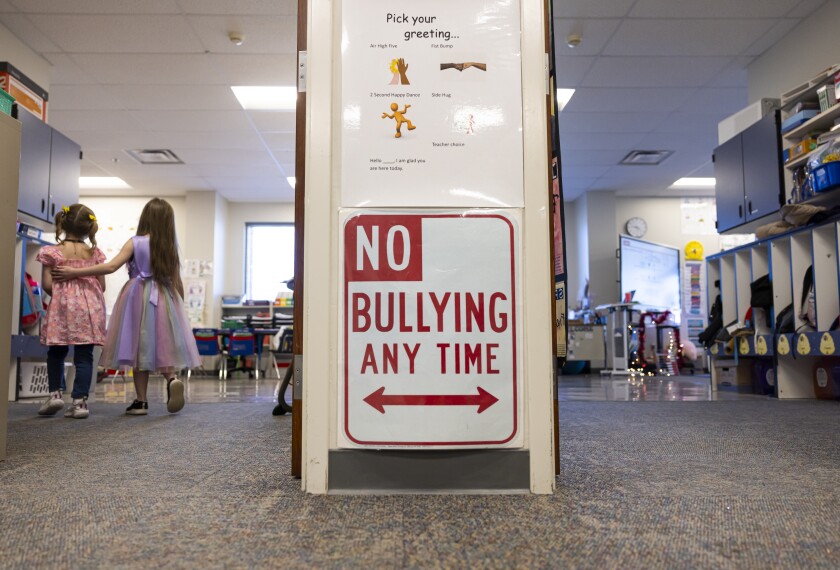
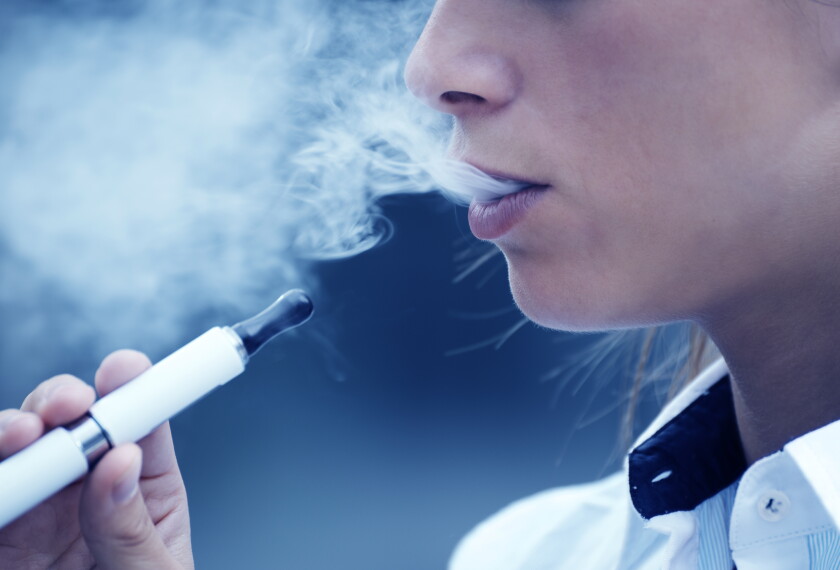
Vaping emerged as a major challenge for schools in the last decade as educators have been forced to navigate the disciplinary issues and health concerns that arose when students used electronic cigarettes and trendy devices like Juuls during the school day.
But once surging teen vaping rates dropped to a 10-year low in 2024, thanks in part to federal efforts to limit marketing to minors and regulate the sale of products with flavors like cotton candy and mango that are particularly appealing to young users, anti-smoking advocates said.
The cuts at HHS occurred as the U.S. Supreme Court largely upheld the FDA’s denial of applications by two e-cigarette companies to sell vaping products with fruit, candy, and dessert flavors in an April 2 ruling. Anti-vaping groups cheered that decision, but warned that cuts to the federal regulatory and public health programs may weaken future efforts.
“These cuts will make it easier for unscrupulous companies to continue targeting our kids with illegal, flavored and highly addictive e-cigarettes,” Yolonda Richardson, president and CEO of the Campaign for Tobacco-Free Kids, said in a statement.
During President Donald Trump’s first term, his administration introduced a limited ban on sweet, fruity e-cigarettes and pledged to take action against unauthorized products. In a September social media post, Trump said he “saved flavored vaping” for adults during his first term and that he would “do it again.”
Cuts part of a major HHS restructuring
HHS plans to cut 20,000 of its 82,000 full-time employees, consolidating and restructuring programs, the agency said in a March 27 fact sheet. It did not detail how smoking and vaping prevention efforts would continue after the reorganization. Press representatives for the FDA and HHS did not immediately respond to requests for comment.
“The consolidation and cuts are designed not only to save money, but to make the organization more efficient and more responsive to Americans’ needs, and to implement the Make America Healthy Again goal of ending the chronic disease epidemic,” the March fact sheet said.
Public health advocates panned that framing, noting that the cuts had hit offices that deal with a range of preventative issues, including research related to maternal health and cancer.
“I completely disagree with anybody who has the nerve to try to state publicly that these indiscriminate actions are part of a strategic plan to build up health prevention,” said Mitchell Zeller, King’s predecessor at the FDA’s tobacco agency. “In fact, it’s the polar opposite.”
The cuts to the Center for Tobacco Products are particularly puzzling because it is funded by tobacco user fees, not federal tax dollars, he said.
“All of these firings are not going to save one taxpayer dollar,” Zeller said.

The director of the Center for Tobacco Products, the nation’s chief tobacco regulator, is appointed by the FDA commissioner. Since taking that in 2022, King worked with customs officials to seize illegal e-cigarettes manufactured overseas and refused to approve applications for hundreds of flavored vape products.
Supporters of those products say vaping is a less harmful alternative for adults who want to quit smoking traditional tobacco cigarettes. But King and other critics said the companies had not sufficiently proven that argument and that trendy flavors enticed teens who had never smoked to try vaping.
In a survey released by the FDA and the CDC last September, 5.9 percent of middle and high school students overall reported that they had used e-cigarettes in the past 30 days, compared with 20 percent in 2019. (Educators, though, say they believe vaping is on the rise once again.
Just 1.4 percent of students reported smoking cigarettes in the 30 days before they took the survey. Researchers also identified an emerging concern: 1.8 percent of students reported using tobacco pouches, like Zyns.
“The continued decline in e-cigarette use among our nation’s youth is a monumental public health win,” King said at the time. “But we can’t rest on our laurels, as there’s still more work to do to further reduce youth e-cigarette use.”
Youth vaping declines welcomed by schools
The decline in vaping was good news to school districts, which undertook major efforts to combat the behavior, including parent workshops on the dangers of vaping and installing millions of dollars in special devices to detect vaping in school restrooms.
E-cigarette manufacturer Juul Labs has paid about $2 billion to settle lawsuits brought by thousands of plaintiffs, including 1,500 school districts, who argued the once-trendy product was far more addictive than advertised. (Juul’s e-cigarette market share is no longer dominant. Other providers—and nonapproved devices manufactured abroad—have filled in the gap.)
The youth vaping trend was hard to confront because many of the lessons learned during earlier anti-smoking campaigns didn’t translate directly, Zeller said. Media and communications have evolved, and youth who were aware of the dangers of smoking did not see similar risk in using e-cigarettes, he said.
Even if a future presidential administration wants to rebuild federal offices that have been cut, they will struggle to replace the institutional knowledge of federal workers who have worked in the field for years, Zeller said.
“It’s a tremendous loss that will take a very, very long time to build back up,” he said.
Supreme Court sides with FDA on key anti-vaping strategy
President Trump claimed during his first term to have saved e-cigarettes from stronger federal regulation, but was also in favor of banning flavored vapes. The FDA during his first administration adopted a regulation requiring manufacturers to show evidence of the benefits of vaping to those seeking to cease smoking to have their applications approved.
In 2021, under that policy, the FDA under President Joe Biden’s administration rejected applications for flavored vapes by two companies involved in the Supreme Court case decided April 2.
The FDA found the companies’ products—with names like “Killer Kustard Blueberry,” “Iced Blue Razz,” and “Suicide Bunny Mother’s Milk and Cookies”—made e-cigarette smoking “more palatable for novice youth and young adults” and may “increase nicotine exposure by potentially influencing the rate of nicotine absorption.”
The companies argued that that agency had improperly changed its approval process, and a federal appeals court had previously set aside the agency’s actions, leading to the Supreme Court appeal.
Justice Samuel A. Alito Jr. wrote the opinion for a unanimous court in Food and Drug Administration v. Wages and White Lion Investmentsthat largely upheld the FDA’s decision.
“The kaleidoscope of flavor options adds to the allure of e-cigarettes and has thus contributed to the booming demand for such products among young Americans,” he said, and the FDA had telegraphed its view that such flavors were attractive to young people in 2020 enforcement guidance.